
Why a Web Version of Phantom Changes How You Use Solana dApps
Okay, so check this out—Solana has been sprinting. Wow! The ecosystem exploded faster than anyone expected, and wallets that used to live only as browser extensions or mobile apps started to feel like bottlenecks. At first I thought browser extensions were fine, but then I realized that asking every user to install an extension is a huge adoption tax; somethin’ about friction that quietly kills momentum. On one hand, extensions give great UX; on the other hand, they lock you in to device and browser choices, which is annoying—really annoying—when you’re trying to onboard non-crypto people.
Whoa! The web wallet idea seems obvious now. It’s a simple premise: open a tab, connect, and sign. Medium length sentences here for clarity. It removes a step. But there are trade-offs that matter, and they aren’t only technical. Users care about trust, and perception often beats reality in security. My instinct said “this will smooth onboarding,” and my experience working with devs confirmed it—though actually, wait—let me rephrase that: the benefits depend heavily on how the web wallet handles private keys, session persistence, and phishing resistance.
Here’s the thing. Seriously? Phishing is the elephant in the room. Short sentence. Long sentence follows: attackers stage fake landing pages, spoof dApp domains, and create convincing UX traps that can harvest seeds or trick users into approving malicious transactions, so any web-native wallet must defend against those methods at multiple layers—UI, domain verification, and runtime sandboxing. I keep thinking about social engineering. It bugs me.
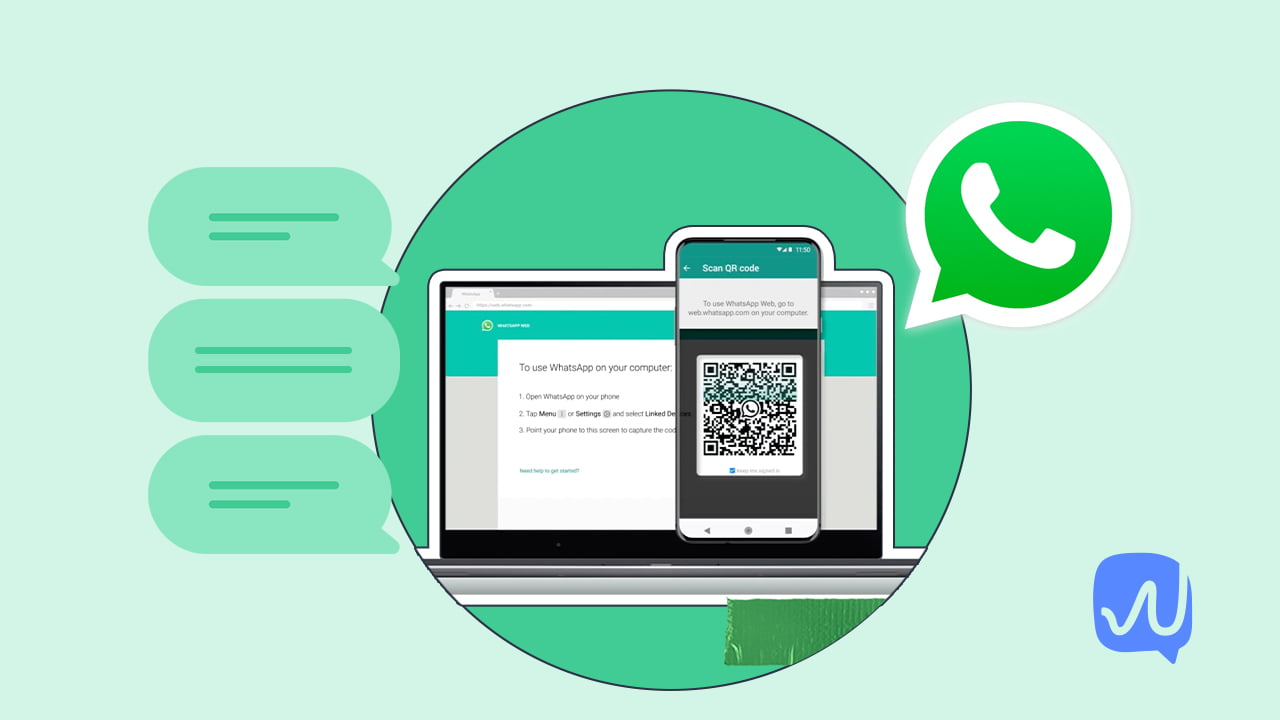
Why web-based wallets matter for Solana dApps
Web3 adoption often stalls at “install the extension.” So a web version hits a big pain point. Short. Many users are on mobile and reluctant to download apps. That reality alone explains a big shift toward web wallets. Developers win too. They can onboard users with a single link and build flows that don’t require asking newcomers to hunt for an extension or a specific mobile app. Longer thought: this reduces drop-offs in onboarding funnels, accelerates A/B testing for UX, and makes demos or quick product showcases way more frictionless, though the developer must accept the security implications and add mitigations.
I’ll be honest—I’m biased toward good UX. But security and UX aren’t mutually exclusive. Some teams manage both well. They layer hardware-backed or ephemeral keys, use biometrics via the device, and provide clear, repeated consent prompts that a real human could understand. These are practical, not theoretical, fixes. Still, watch out for “just one click” paradigms that hide consent in tiny modal dialogs—those are red flags.
Okay, quick aside (oh, and by the way…)—wallet interoperability matters. dApp devs want an API that abstracts providers while preserving security constraints. That’s why standards around wallet adapters for Solana help a lot. They let dApps talk to multiple wallet providers without custom plumbing. It sounds boring but it’s very very important for ecosystem health. Initially I thought adapters would make everything magic, but it’s messier: versioning, permission models, and UX differences slip in.
How a web Phantom-style wallet could work
Imagine opening a link, seeing a friendly modal, and connecting to a web wallet that keeps keys in an isolated, browser-based secure enclave. Seriously? Sounds dreamy. The reality requires careful decisions: where are keys stored, how long do sessions last, and how do you revoke access? My instinct said “store keys server-side encrypted,” then I paused—actually, wait—server-side custody destroys the model for self-custody fans, and it introduces legal and regulatory complexity.
So the compromise is often hybrid. Short sentence. Many wallets use client-side encryption with recovery phrases that you control, while running helper services for transaction queuing and metadata. That balances convenience with control, though those helper services become targets and operational liabilities. On the UX side, the wallet needs clear transaction previews, human-readable permission lists, and a way to audit approved dApps later. These features are simple in description but take discipline to implement right.
Check this out—I’ve tried a few prototypes where the web wallet uses ephemeral keys for browsing and prompts the user to unlock a stronger key only when signing a high-value transaction. That layered approach reduces risk for casual browsing, and it nudges users to treat big operations with more care. That nudge is tiny but powerful.
Security trade-offs and practical defenses
Phishing resistance must be baked in. Short. A web wallet should validate the dApp’s origin, show clear domain info, and highlight when requests come from cross-origin iframes. There’s technical work here: Content Security Policy, isolated iframes, and signed manifests for trusted dApps. Longer thought: combining these measures with behavioral analytics and user education can reduce successful attacks, though no system is perfect and attackers pivot fast.
I’m not 100% sure on every mitigation, but here’s what I’ve seen work: session timeouts, per-origin permission grants, and transaction-scope approvals that expire. Also, a visible history and an easy revoke UI—those soothe users and make forensic steps possible. Honestly, this part bugs me when teams skip it for speed to market. You can’t fix trust once it’s lost.
Also—hardware keys. Do not dismiss them. They can be used from the browser via WebAuthn or similar bridges. The flow is clunky today, but it’s one of the clearest ways to keep user keys safe even in compromised browsers. Expect improvements over the next 12–24 months as standards and UX teams iterate.
Trying it out: real user flows and onboarding
Here’s a practical path for a new user: open a dApp link, choose “Connect with web wallet,” follow a few guided steps to create or restore an account, and then sign the first small transaction as a tutorial. Short. That first signed transaction should be intentionally trivial—like a token read or a claim—and it helps teach users the signing flow. Longer thought: sprinkle contextual help, avoid jargon, and provide fallback support (live chat or guided onboarding), because users will break the flow in ways you can’t predict.
If you’re curious and want to experiment with a web-native interface, check out this implementation of a web wallet that mirrors the familiar Phantom experience—search for phantom wallet and try the demo in a private tab. Try depositing a test token or using a devnet app first, and watch how the permissions and signing prompts behave. Small tests reveal big UX and security gaps fast.
FAQ: Quick answers to common questions
Is a web wallet as secure as a browser extension?
Short answer: not inherently, but it can be. Extensions isolate keys in a different way than web pages do, so a web wallet needs additional layers—sandboxing, per-origin keys, and strict UX—to reach comparable security. Ultimately it’s about design choices and operational discipline.
Will web wallets replace mobile and desktop wallets?
On one hand, web wallets lower barriers and make demos painless. On the other hand, mobile wallets offer native integrations and hardware options that people value. Expect coexistence and cross-syncing, not a single winner. I’m betting on hybrid ecosystems.
How should dApp developers integrate a web wallet?
Use wallet adapter patterns, clearly request only needed permissions, and build fallback flows. Test on main browsers and devices, and simulate compromised sessions so you can design better prompts. These steps cost time but save users and reputation later—trust me.

- Roulette Wetten Echtgeld: Ein Leitfaden für Roulette-Enthusiasten
- Roleta com Rodadas Grátis: Como Jogar e Onde Encontrar
- La pausa di riflessione non è solo una sospensione, ma un’arte nel contesto italiano di decisioni che coinvolgono famiglia, lavoro e comunità
- Pinco Casino – бонусы сейчас
- BasariBet — hoş geldin bonusu
Bài viết cùng chủ đề:
-
Tether Casino Platform Features
-
SHIB Casino Gaming: Platform Analysis
-
Best Monero Gambling Sites: Licensing and Regulation
-
Exploring Identity Verification Timelines in British LTC Platforms in UK Online Gaming
-
Ethereum nei Casinò Online: Vantaggi e Opportunità
-
Cassinos Dogecoin: Quais Criptomoedas Além do Dogecoin São Aceitas
-
Dogecoin Casinos: Expertenwissen für erfolgreiche Spieler
-
Discovering the Best Cardano Casino Platforms in Britain
-
Roulette ohne Einzahlung neu: Alles, was Sie wissen müssen
-
Roulette Wetten Echtgeld: Ein Leitfaden für Roulette-Enthusiasten
-
Roulette Mobil Willkommensbonus: Ein Leitfaden für Spieler
-
RocketPlay – Vollständiger Leitfaden für deutsche Spieler 3
-
Dans les Coulisses de Betify : Derrière la Plateforme
-
Le Guide Complet Betify pour les Joueurs Français 2026
-
Roulette Strategies Australia Risk-Free: Expert Tips and Strategies
-
Roulette for Beginners Australia for Mac
