
10 Tips to Stay Sober & Survive the Holidays With Your Family
Having an honest conversation with your family or close friends (that you are comfortable with) can be helpful for those in early recovery. Explaining what you need from them, in terms of support, can help make your holidays much more manageable. They will be proud of your decision to stop using drugs and alcohol. Social connection is key to staying on your recovery journey.
Regardless of Your Addiction, Limit Use of Alcohol or Other Substances
- This is one of the most common scenarios you’ll face.
- Your first sober Christmas can be a significant milestone in your journey to recovery.
- Get treatment for a wide range of substance use disorders.
However, for many, it can also bring stress, family tensions, or feelings of loneliness. It’s important to manage your expectations and not fall into the trap of thinking the holidays have to be perfect. The holidays can be a challenging time for anyone in recovery, but with the right mindset, preparation, and support, they can also be an opportunity for growth and renewal. By staying focused on your sobriety, embracing new traditions, and leaning into your support network, you can enjoy a season filled with meaning and joy. Certain holiday traditions may also bring back memories tied to alcohol use or substance use. The smell of a favorite drink, the sound of clinking glasses at a toast, or even the music at a holiday party can serve as powerful triggers.
How to Stay Sober & Prevent Relapse During the Holidays
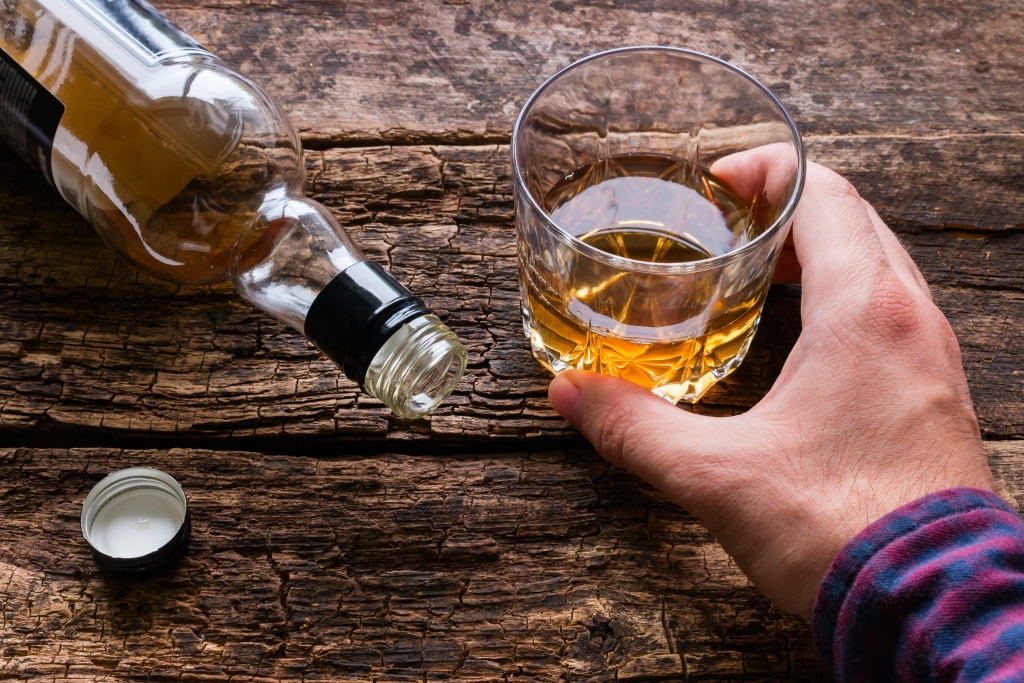
If you are dreading the upcoming holiday or holiday season, being proactive can help. Making it through the holidays without slipping back into destructive drug or drinking habits is possible. Being aware of your triggers, and making a plan to combat or respond to urges in the moment, can help you prepare to face these challenges head-on. In the United States, the Fourth of July is often a day of celebration, with fireworks, barbecues, and getting together with friends or family. Many of the biggest holidays in the U.S. — Thanksgiving, Christmas, and New Year’s Eve — take place relatively close together, bringing people together often to celebrate. Maintaining sobriety during the holidays, and sticking to your treatment plan, is possible.
h Annual Minnesota Wild Recovery Night
- When that moment is gone, and you are now facing a new day, you’ll likely experience intense regret.
- If you’re living with active addiction, do not discount the extra stress the holidays bring.
- The holidays can be emotionally demanding, even for those who aren’t in recovery.
In our recent episode of the Addiction Help Podcast, we explored several strategies for staying sober during these times. Let’s delve deeper into these strategies and share insights from my journey and sober holidays our podcast discussions. The holiday season is a time of joy, connection, and celebration—but it can feel like walking a tightrope for those in recovery.
Recognize the Gradual Nature of Relapse
If you are telling yourself anything else, you are lying to yourself. And others might be lying to you, as well—don’t listen. If you are already drinking something non-alcoholic, this can serve more than one purpose. If you are new to recovery, staying hydrated and having drinks that are sugary and taste good, such as soda, hot cocoa, or eggnog, can help you resist cravings. It’s a well-established fact that alcoholics in recovery frequently experience sugar cravings, and allowing yourself to indulge might be vital to staving off temptation.

Does three hours with your https://lambaudyog.com/member-resources-2/ mother leave you craving a drink? Get quiet, ask your Higher Power for some guidance on the perfect time limit. No one needs to know the real reason you’re leaving early. It’s okay to put your recovery first, stay a little vague and take care of yourself. In my 18 years in recovery, I’ve realized that learning and growth are continuous.
Insurance Plans
- Identifying these warning signs early and utilizing positive coping mechanisms can decrease your risk of relapse.
- This could be your sponsor, therapist, or support group.
- Our eyes may get big (be cause our survival system wants to make sure we can see any threat that may come ourway) and we may forget to blink.
- The communal aspect of addiction support groups can offer comfort during the holidays, especially after a relapse, when you may not be feeling your best.
- Yaffa Atias is the Director of Special Projects at Amatus Health.
Try journaling, meditation or even a short walk to help improve and maintain your mental wellness. If you accidentally sip something with alcohol in it, don’t panic. One mistake doesn’t mean you’ve relapsed but keeping it secret is a Alcohol Use Disorder slippery slope.

- Chicken Road Spiel DE – Tipps aktuell
- Gama Casino — официальная версия сайта / вход в личный кабинет / зеркало сайта на сегодня • честный обзор Гама Казино – промокоды и предложения и что важно знать
- Sports Betting Zambia: A Comprehensive Guide
- Maximizing Value from Unlimluck Welcome Bonus Codes and Free Spin Offers
- Banking Security in Online Casinos
Bài viết cùng chủ đề:
